
Advanced Proteomics and Functional Biology
Functional Phosphoproteomics
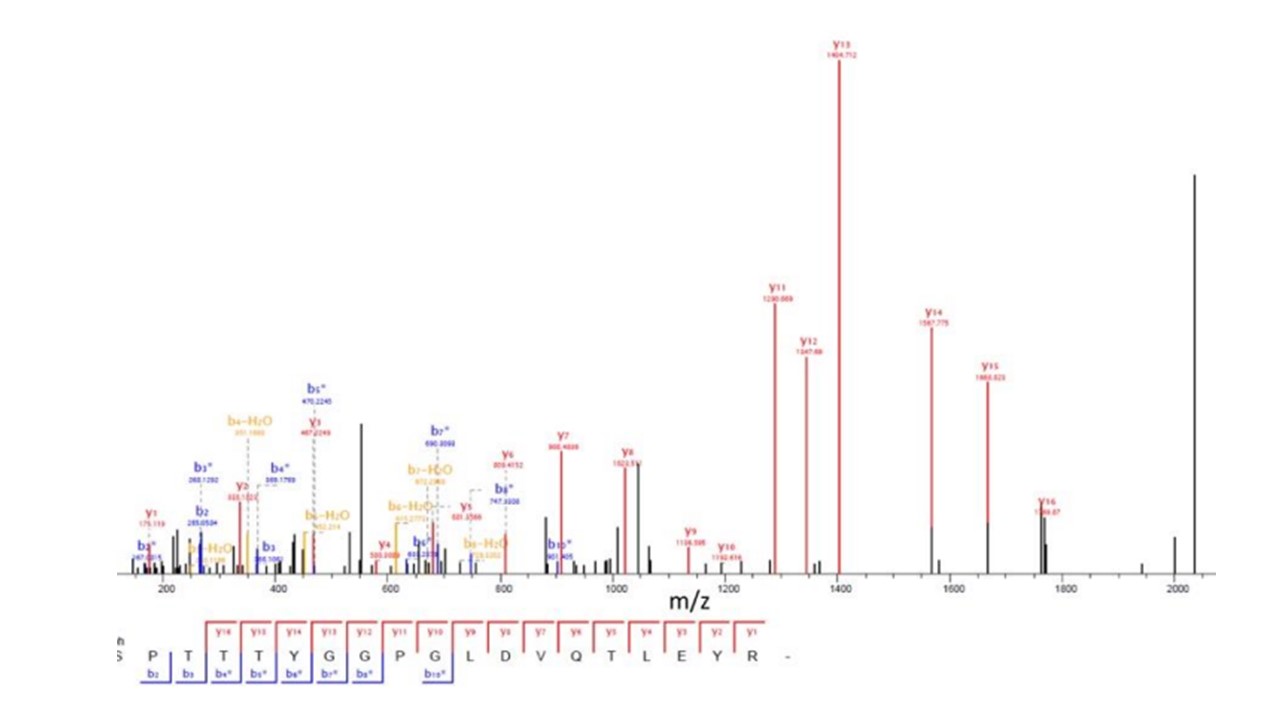
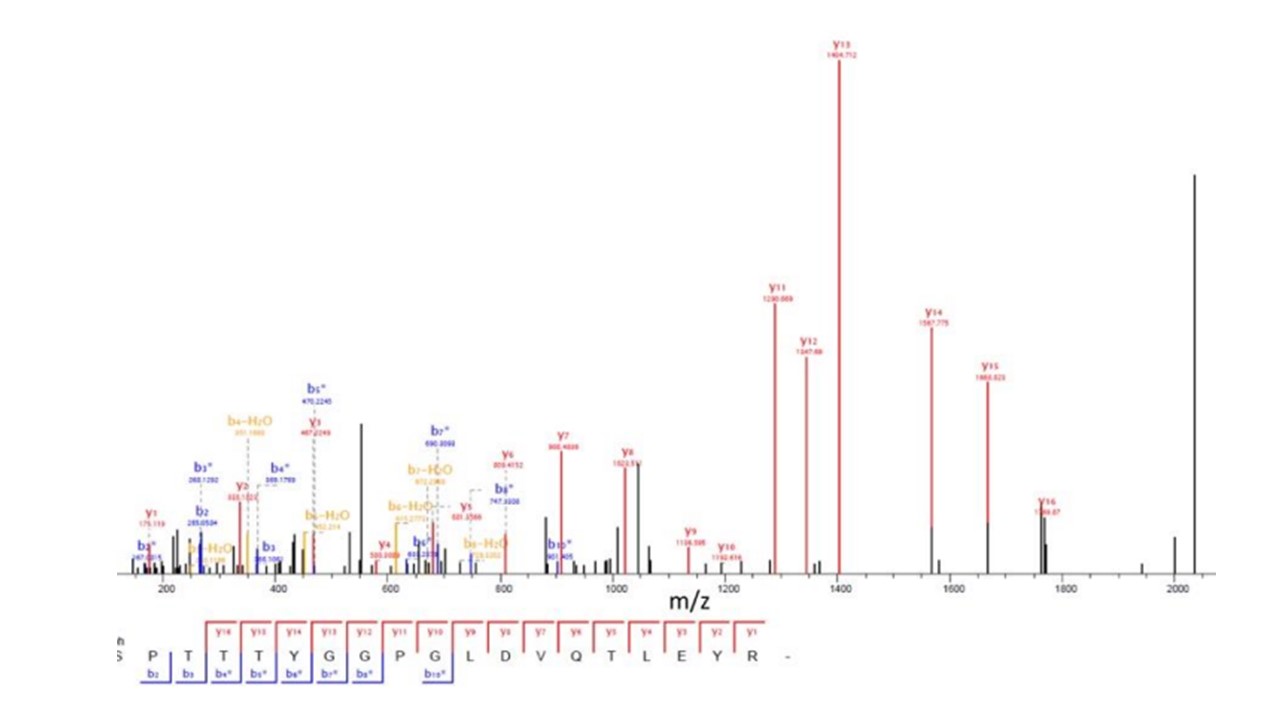
Protein phosphorylation is one of the most important mechanisms controlling cellular signaling. We use state-of-the-art phosphoproteomics to identify dynamic phosphorylation events and reconstruct signaling networks that regulate plant growth and environmental responses. This approach allows us to move from phenotype to mechanism at systems scale.
LiP-MS (Limited Proteolysis Mass Spectrometry)
Proteins are not static molecules; their structure changes in response to environmental and cellular signals. Using LiP-MS, we investigate protein conformational changes directly in complex biological samples. This enables us to identify molecular switches, protein targets, and structural responses that are invisible to conventional proteomics approaches.
Low-Input and Single-Cell Proteomics
Plant tissues consist of diverse cell types that often respond differently to environmental cues. We develop and apply low-input and single-cell proteomics approaches to reveal cell type-specific protein regulation and signaling. These technologies provide unprecedented resolution for understanding developmental and stress response processes.
Quantitative Proteomics and Signaling Networks
By integrating quantitative proteomics with genetics, physiology, and computational analyses, we build comprehensive models of cellular signaling networks. This systems-level perspective allows us to identify key regulatory nodes controlling development, environmental adaptation, and stress resilience.
In addition to using this for our own research questions, we also offer our phosphoproteomics pipeline as a service. If you are interested, do not hesitate to reach out.
Key Publications:
Targeted Profiling of Protein Phosphorylation in Plants.
Xu X, Gevaert K, De Smet I, Vu LD.
Methods Mol Biol. 2023;2718:167-179.
Proteome Analysis of Arabidopsis Roots.
Nikonorova N, Vu LD, Stes E, Gevaert K, De Smet I.
Methods Mol Biol. 2018;1761:263-274.
Vu LD, Stes E, Van Bel M, Nelissen H, Maddelein D, Inzé D, Coppens F, Martens L, Gevaert K, De Smet I.
J Proteome Res. 2016 Dec 2;15(12):4304-4317.